Compliance
D-270 form: what it is, when it applies, and how to prepare it correctly
A practical guide to the D-270 annual information return for purchases and sales, including thresholds, required fields, deadlines, and penalties.
Author
Kontafico team
Updated
4/2/2026
Reviewed
Editorial and tax context
Informational content for Costa Rica. Review specific tax or accounting decisions with your accountant before filing.
Quick answer
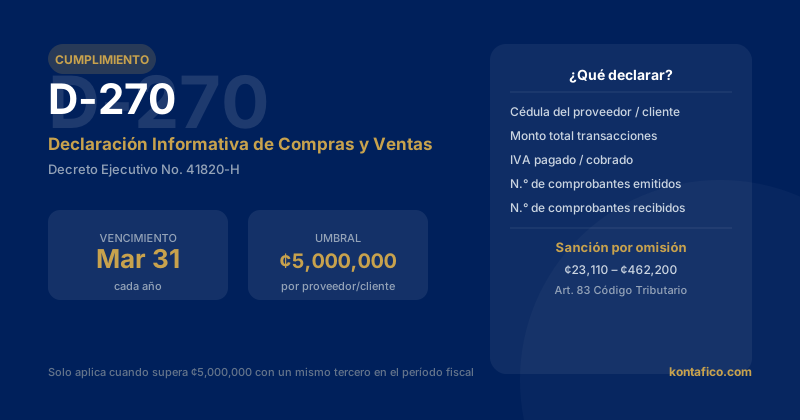
A practical guide to the D-270 annual information return for purchases and sales, including thresholds, required fields, deadlines, and penalties.
What the D-270 is and why it matters
The D-270 is an informational return used by Hacienda to cross-check purchases, sales, expenses, and income between taxpayers. It does not generate tax due by itself, but it does support audit and consistency reviews.
The obligation generally applies when accumulated transactions with the same third party exceed the reporting threshold during the fiscal period.
If at least one supplier or customer crosses the threshold, you need a clean and verifiable record of the reportable transactions.
What information you need to include
For each relevant supplier or customer, you need tax identification, legal name, total transaction amount, related VAT information, and supporting invoice records.
Your source of truth should be the electronic invoicing and accounting system. If the D-270 does not match the electronic documents already known to Hacienda, it creates a discrepancy.
Do not overlook suppliers paid by transfer, cash, or nonstandard workflows if they still meet the reporting threshold.
Deadline and filing process
The D-270 is generally filed once a year through TRIBU-CR and covers the prior fiscal period.
Hacienda allows manual entry or file import depending on the current technical specification available on the platform.
If you discover a mistake early, correcting it proactively is usually simpler than waiting for an official request.
Penalties for omission or inaccurate filing
Failing to submit the D-270 when required can result in a penalty tied to the base salary amount under the Tax Code.
Incomplete or inconsistent information can also trigger requests for clarification or a broader review of the company’s records.
The operational risk is not just the fine itself, but the additional scrutiny that comes with a preventable mismatch.
How to prepare the D-270 without errors
Track accumulated transactions by supplier and customer throughout the fiscal period instead of waiting until the final weeks before the deadline.
Validate your accounting records against the electronic invoice data that Hacienda already has on file.
Coordinate with your accountant well in advance so the team has time to review edge cases and supporting documentation.
D-270 data review table
Before filing, confirm that counterparties, amounts and supporting documents are consistent.
| Area | Risk | Recommended action |
|---|---|---|
| Customers | Missing or duplicated third-party totals. | Consolidate sales by tax ID before review. |
| Suppliers | Expenses outside the regular invoicing flow. | Reconcile supplier totals against received documents. |
| Thresholds | Reporting parties that cross the annual threshold. | Flag counterparties before the filing deadline. |
Prepare D-270 with clean, verified data
Keep invoices, expenses, and counterparties aligned so annual reporting does not become a manual cleanup project.
Try Kontafico freeFrequently asked questions
Does the D-270 apply to every business?
The obligation depends on the taxpayer’s regime and whether the reporting thresholds are met. Your accountant should confirm the specific requirement for your company.
What if I crossed the threshold and did not realize it?
Correct it as soon as possible. Filing proactively before a formal request usually puts you in a better position than waiting for Hacienda to identify the omission.
Can Kontafico help generate the D-270 base report?
Yes. Kontafico keeps counterparties, amounts, and supporting records organized so your accountant can prepare and validate the D-270 more quickly.